
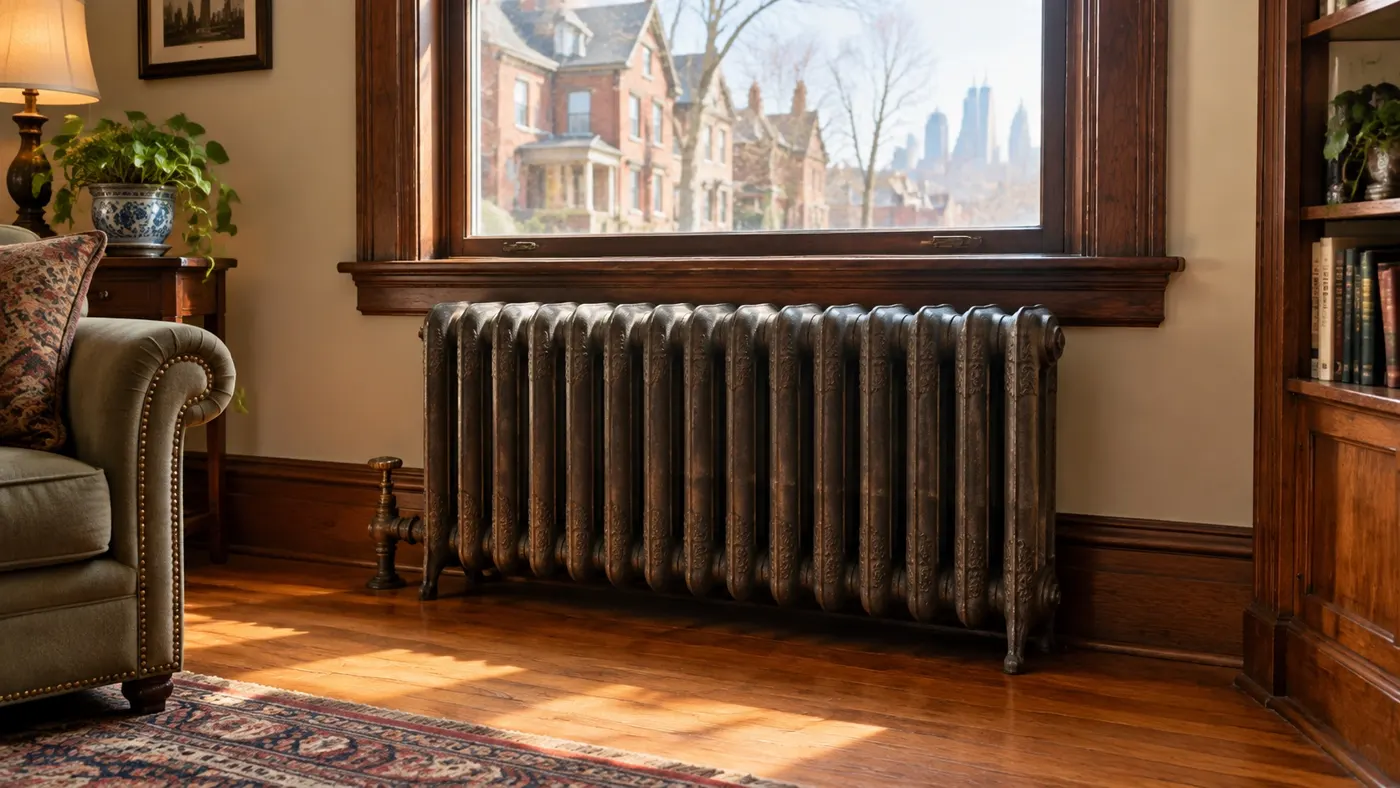
Many older homes throughout Detroit and Metro Detroit rely on boilers and radiators to provide warmth during Michigan's colder months.
Radiator heating can offer consistent, comfortable warmth when the equipment is operating properly. But what happens when one radiator stays cold, another becomes too hot, or your heating system struggles to warm the entire house?
Uneven heating is more than an inconvenience. It may indicate a circulation problem, faulty valve, thermostat issue, or a component inside your boiler that needs professional attention.
If your radiators are not heating evenly, the cause may be trapped air in a hot-water system, a faulty valve, poor circulation, or a boiler problem. The correct solution depends on whether your home uses steam or hot-water heating.
Understanding the possible causes can help you recognize when professional boiler or radiator repair is needed.
How Do Radiator Heating Systems Work?
Before diagnosing uneven heat, it helps to understand how your system operates.
Many Detroit-area homes use one of two types of radiator heating.
Hot-water radiator systems
A hot-water boiler heats water and circulates it through pipes connected to radiators or baseboard heating units.
The radiators transfer heat into the surrounding rooms before cooler water returns to the boiler for reheating.
These systems may rely on circulating pumps, zone valves, expansion tanks, and other components to maintain proper heating.
Steam radiator systems
Steam boilers heat water until it turns into steam. That steam travels through pipes and releases heat inside the radiators.
As steam cools, it condenses back into water and returns to the boiler.
Steam systems use different controls and venting arrangements than hot-water systems.
Because these systems operate differently, the cause of uneven heating and the appropriate repair can also differ.
1. Trapped Air May Be Preventing Hot Water From Circulating
Trapped air is one possible reason a hot-water radiator does not heat evenly.
When air collects inside a hot-water radiator, it can interfere with normal circulation.
You might notice that the bottom of the radiator warms up while the top stays cool.
Other possible signs include:
- Gurgling sounds
- One radiator staying colder than nearby units
- Slow or inconsistent heating
- Repeated temperature problems after the system starts
Some hot-water radiator systems have bleed valves designed to release trapped air. However, the correct procedure depends on the system design and operating pressure.
Do not assume that steam radiators can be bled like hot-water radiators. Steam systems use different venting components.
If you are unsure which system you have, arrange a professional inspection rather than opening a valve.
2. A Radiator Valve Could Be Stuck or Malfunctioning
Radiator valves control the movement of water or steam through the heating system.
Over time, a valve may become difficult to operate or stop functioning correctly.
A faulty valve can prevent a radiator from receiving the heat it needs.
Depending on the system, this may result in:
- A completely cold radiator
- A radiator that heats intermittently
- Uneven temperatures between rooms
- Heat remaining on when a room should be cooling down
Some radiator problems are caused by valves that have been closed accidentally. Others require cleaning, adjustment, or replacement.
A professional can determine whether the issue involves the valve itself or another part of the heating system.
3. Your Boiler May Not Be Circulating Heat Properly
In a hot-water heating system, a circulation problem can keep heated water from reaching certain radiators.
A malfunctioning circulator pump, faulty zone control, or restriction in the piping can affect how heat moves throughout the home.
For example, one area of your house may become comfortable while another remains cold.
This problem can be especially noticeable in larger homes or properties where the heating system has been modified over time.
A technician may inspect:
- Circulator pumps
- Zone valves and controls
- Boiler operating conditions
- Piping and flow restrictions
- Temperature differences across heating zones
The goal is to identify why the heat is not being distributed properly rather than simply turning up the thermostat.
4. Steam Radiator Vents May Need Attention
Steam radiators depend on proper venting to allow air to leave the system as steam enters.
If an air vent malfunctions, a radiator may heat slowly or remain cold.
You might also notice unusual hissing sounds or inconsistent heating between radiators.
Steam systems require careful assessment because venting, piping pitch, condensate return, and boiler pressure all influence performance.
Improper changes can create additional problems.
If your Detroit home uses steam radiators, have an experienced heating technician inspect the system before attempting repairs.
5. Sediment or Internal Buildup Could Restrict Heating
Heating systems can accumulate corrosion products and sediment over time.
In some hot-water systems, this buildup can restrict circulation through radiators, pipes, or other components.
As a result, certain sections may fail to warm properly.
Buildup can also affect system efficiency and contribute to repeated heating complaints.
However, cold spots do not automatically mean your system needs flushing.
A professional should first determine whether the problem involves internal deposits, trapped air, valve operation, or another issue.
Depending on the findings, the appropriate solution may involve targeted repairs, cleaning, or other maintenance.
6. Your Thermostat or Heating Controls Might Be the Problem
Sometimes, uneven radiator heating begins with the controls rather than the boiler or radiators.
A thermostat that does not accurately measure indoor temperature may cause the system to run too little or too often.
In homes with multiple heating zones, a control failure may affect only certain areas.
Possible warning signs include:
- The boiler not starting when heat is requested
- Heating that stops before rooms become comfortable
- Inconsistent temperatures between zones
- A thermostat that displays inaccurate readings
Professional testing can help determine whether the thermostat, wiring, zone controls, or heating equipment is responsible.
What Can You Check Before Scheduling Radiator Repair?
There are a few safe observations homeowners can make before contacting a heating professional.
Check your thermostat. Confirm that heating is enabled and that the requested temperature is appropriate.
Compare the radiators. Notice whether one radiator stays cold or the problem affects the entire house.
Listen for unusual noises. Gurgling, banging, or repeated hissing can help identify what needs inspection.
Look for visible leaks. Check around radiators and accessible piping without touching hot components.
Observe when the problem happens. Does the system struggle only during extremely cold weather, or is the issue present every day?
Share these details with your HVAC technician.
Avoid opening the boiler, adjusting safety controls, or attempting repairs to pressurized components.
When Should You Call a Boiler Repair Professional?
A single cold radiator may seem minor, but repeated heating problems can indicate a larger system issue.
Schedule professional service if:
- Multiple radiators are not heating.
- Your boiler repeatedly shuts down.
- You notice water leaking from the boiler or piping.
- Radiators make persistent banging or unusual noises.
- Heating zones are not responding to the thermostat.
- The system cannot maintain comfortable temperatures.
Water leaks, significant pressure problems, and loss of heat during freezing temperatures should be addressed promptly.
If a carbon monoxide alarm sounds or you suspect combustion gases are entering the home, evacuate and contact emergency services.
New Evolution Heating Cooling & Electrical provides boiler and radiator services for residential and commercial properties across Detroit and Metro Detroit.
Can Regular Boiler Maintenance Prevent Uneven Heating?
Preventive maintenance can help identify heating problems before they lead to major service interruptions.
A professional boiler maintenance visit may include inspections of operating controls, safety devices, circulation components, and visible system conditions, depending on the equipment.
Maintenance can help identify developing concerns such as leaks, deteriorating components, or inconsistent system performance.
It also provides an opportunity to evaluate whether the heating system is operating as intended.
For homeowners with older radiator systems, keeping up with maintenance is particularly important because aging components and previous modifications can complicate heating performance.
Frequently Asked Questions
Why is one radiator cold while the others are hot?
One cold radiator may indicate a closed or malfunctioning valve, trapped air in a hot-water system, a restricted pipe, or a steam vent problem. The cause depends on your heating system.
Why is my radiator hot at the bottom but cold at the top?
In a hot-water radiator, a cooler upper section can be a sign of trapped air. Other circulation problems are possible, so persistent symptoms should be evaluated.
Can a boiler work while some radiators stay cold?
Yes. A boiler can produce heat even when circulation, valves, or other components prevent that heat from reaching certain radiators.
Do steam radiators need to be bled?
Steam radiators generally use air vents or other steam-specific venting arrangements. They should not be treated like hot-water radiators. A professional can inspect a malfunctioning steam system.
Who repairs boilers and radiators in Detroit?
New Evolution Heating Cooling & Electrical provides boiler repair, radiator services, heating maintenance, and system installation throughout Detroit and surrounding Metro Detroit areas.
Restore Consistent Heat With Professional Boiler and Radiator Repair
Uneven radiator heating can make even a well-insulated home uncomfortable during Michigan's winter months.
Whether the problem involves trapped air, circulation issues, faulty controls, or aging boiler components, a proper diagnosis is the first step toward dependable heating.
New Evolution Heating Cooling & Electrical serves Detroit, Dearborn, Livonia, Highland Park, Hamtramck, and surrounding Metro Detroit communities with boiler and heating services.
Call (313) 626-7063 or schedule a professional boiler inspection to help restore consistent warmth throughout your property.